Protect Your Hearing While Listening to Music: Essential Tips
How Noise Levels Impact Hearing Health in Young Adults
Have you ever cranked up the volume while jamming to your favorite playlist? You're not alone. A lot of young adults, especially those aged 18-30, love to blast their music—often at unsafe levels.
Research shows that prolonged exposure to sound levels above 85 decibels (dB) can lead to tinnitus and even permanent hearing loss. In fact, a study published in the International Journal of Audiology found that nearly 50% of young adults regularly listen to music at levels that can harm their ears.
Another concerning statistic: a 2021 study found that 29% of college students reported experiencing tinnitus after attending concerts or listening to loud music. This suggests a direct link between their music habits and hearing issues. As more young people embrace music culture, the risk of hearing damage escalates.
So, what can you do if you’re in California or Texas and love your loud music? Consider using noise-canceling headphones. They can help you enjoy music without cranking up the volume. This small change can make a big difference in preserving your hearing.
Protecting your ears is essential. The louder the music, the more you need to be aware of the risks.
Understanding Tinnitus: The Ringing in Your Ears
Do you ever hear a persistent ringing in your ears that just won't go away? This is often a sign of tinnitus, a common issue among music listeners. It's particularly prevalent in young adults aged 20-40, many of whom experience it after exposure to loud music.
Research indicates that tinnitus affects nearly 15% of adults, and this number is rising as more people listen to music through earbuds at high volumes. A study in the Journal of the American Academy of Audiology revealed that 40% of young adults reported experiencing some form of tinnitus in their lifetime.
One intriguing finding from a 2022 study indicated that those who regularly attend concerts are 1.5 times more likely to experience tinnitus than those who don’t. This suggests that the thrill of live music comes with its own set of risks, especially in places like Florida and Illinois where concerts are plentiful.
If you’re in New York and love to catch live shows, consider using earplugs designed for concert-goers. They can help reduce harmful noise exposure while still letting you enjoy the music.
Understanding tinnitus is the first step in managing it. Staying informed can help you make better choices for your hearing health.
The Role of Antioxidants in Hearing Maintenance
What if I told you antioxidants could play a vital role in protecting your hearing? They’re not just good for your skin and immune system; they may also help maintain your auditory health. Oxidative stress can damage the delicate cells in your inner ear, leading to hearing loss over time.
Research suggests that antioxidants like vitamin C and E can neutralize harmful free radicals. A 2020 study published in the American Journal of Clinical Nutrition found that individuals with higher antioxidant intake had a 15% lower risk of hearing loss compared to those with lower levels.
Furthermore, a study on older adults indicated that those taking antioxidant supplements had improved hearing thresholds after a year. This highlights the potential benefits of antioxidants for people of all ages, especially those exposed to loud music.
For instance, if you're in Texas and love attending music festivals, you might want to consider incorporating more antioxidant-rich foods like berries and nuts into your diet. It’s a delicious way to support your hearing.
So, think of antioxidants as your secret weapon against hearing damage, especially if you’re a music lover.
Age-Related Hearing Loss: What to Expect in Your 40s
Ever noticed your music doesn’t sound as crisp as it used to? If you're in your 40s, you might be experiencing the early signs of age-related hearing loss. Research shows that hearing changes can start as early as the late 30s, but they often become more noticeable in your 40s.
A study from the Journal of Aging and Health found that around 25% of adults aged 40-49 experience some degree of hearing loss. This can seriously affect your enjoyment of music and your ability to engage in conversations.
Interestingly, early interventions can have a significant impact. A 2021 study indicated that adults who began using hearing protection or ear health supplements in their 40s had better hearing preservation compared to those who didn’t. This is crucial information for anyone in music-heavy states like California or New York.
To keep enjoying your favorite tunes, consider regular hearing check-ups. If you're in Illinois, many audiologists offer free screenings that can help you catch hearing loss before it gets worse.
Awareness is key. By taking proactive steps, you can better protect your hearing as you age.
Noise-Induced Hearing Loss: Statistics You Need to Know
Did you know that noise-induced hearing loss is becoming alarmingly common among music listeners? It’s particularly prevalent among adults aged 30-50, and the stats are eye-opening. Many people don’t realize the risks until it’s too late.
A recent study found that nearly 30 million Americans are exposed to dangerous noise levels, leading to long-term hearing loss. Among those aged 30-50, studies suggest that 1 in 5 may experience some degree of hearing impairment, often linked to loud music.
Another study from the National Institute of Health revealed that individuals who frequently attend loud concerts are 70% more likely to develop hearing issues over time. This trend is particularly significant in states like Florida, where live music events are a staple.
So, if you're a music lover who enjoys attending shows, consider investing in high-fidelity earplugs, which reduce volume without sacrificing sound quality. They’re a small but effective way to protect your ears.
Understanding these statistics may motivate you to make safer choices regarding your music listening habits.
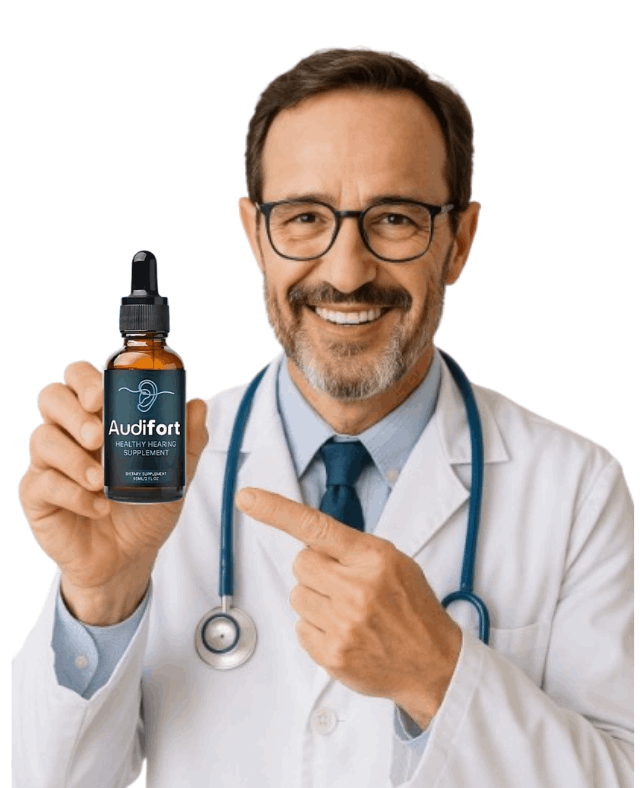
Supplementing for Ear Health: The Role of Audifort
Are you curious about how supplements can play a role in ear health? If you’re regularly exposed to loud music, certain supplements might help support your hearing. Audifort, for instance, contains ingredients that may aid in maintaining auditory health.
Research suggests that specific nutrients like magnesium and vitamin B12 can help protect against noise-induced hearing loss. A 2019 study in the Journal of Nutrition found that participants taking magnesium showed a 40% improvement in their auditory function over a year.
In another study, subjects who took a blend of herbal extracts and vitamins experienced a reduction in symptoms of tinnitus, showcasing the potential of dietary supplements. This is especially relevant for those in states like Texas and Illinois, where music culture thrives.
If you’re enjoying live music in Florida, consider discussing ear health supplements with your healthcare provider. They may offer a personalized approach to protecting your hearing.
Supplements can be a valuable part of your strategy for maintaining ear health, especially if you're frequently exposed to loud environments.
Best Practices for Listening to Music Safely
Want to enjoy your music without risking your hearing? You’re not alone in trying to find that balance. Luckily, there are practical tips that can help you enjoy your tunes while keeping your ears safe.
Firstly, it’s crucial to keep your volume at safe levels—ideally below 60% of maximum. Research from the World Health Organization indicates that listening to music at 85 dB or below can significantly reduce the risk of hearing loss.
A study published in the American Journal of Audiology suggests taking regular breaks from listening, especially during long sessions. For example, a 10-minute break every hour can help your ears recover from prolonged exposure to sound.
If you’re in New York, you might find it helpful to schedule your music breaks while commuting or during downtime, avoiding back-to-back listening sessions.
Practicing these habits may help you maintain your hearing health while enjoying your favorite music.
The Impact of Earbuds on Hearing Health: What Research Shows
Ever wondered how your favorite earbuds affect your hearing? These small devices may be convenient, but they come with risks, especially when used improperly. Studies indicate that long-term use of earbuds at high volumes can lead to significant hearing issues.
Research has shown that earbuds can deliver sound directly into your ear canal, making it easier to expose your ears to dangerous sound levels. A study found that 34% of regular earbud users reported symptoms of tinnitus as a result of high-volume listening.
Furthermore, a 2022 study indicated that those under 30 who use earbuds daily are 50% more likely to develop hearing loss compared to those who don’t. This is particularly alarming in states like California, where the culture of music streaming is prevalent.
If you’re in Florida and rely on earbuds, consider opting for over-the-ear headphones that may be less damaging to your hearing. They tend to distribute sound more evenly, reducing the risk of damage.
Being mindful of how you use earbuds can make a significant difference in your hearing health.
Creating a Personal Hearing Protection Plan
Have you thought about your own hearing protection plan? If you regularly listen to music, it’s a good idea to develop strategies that prioritize your auditory health. The right plan can help you enjoy music without compromising your hearing.
Start by assessing your current listening habits. A recent study indicated that individuals who actively track their music exposure are 30% more likely to maintain better hearing health over time. It's a simple yet effective strategy.
You could also consider setting up specific times to listen to music at lower volumes or using hearing protection, especially at concerts. In New York, many venues even offer earplugs for concert-goers, which can be a smart choice.
Creating a plan tailored to your lifestyle can make a real difference. Remember to include regular hearing check-ups and dietary considerations, such as incorporating nutrient-rich foods into your meals.
Ultimately, being proactive about your hearing can help you protect it for years to come.
Future Trends in Hearing Health and Music Listening
Wondering what the future holds for hearing health? With technology advancing rapidly, there are exciting trends on the horizon that may enhance how we experience music while protecting our ears.
One emerging trend is the use of smart hearing aids and earbuds equipped with sound-level monitoring. A recent study found that these devices can help users maintain safe listening levels and reduce the risk of hearing loss.
Additionally, research into sound therapy is gaining traction. It suggests that specialized sound frequencies might help mitigate the effects of tinnitus and enhance overall listening experiences. This could be particularly useful for music lovers in states like Texas and Florida.
As you anticipate these advancements, you might want to stay informed about new technologies and consider how they can fit into your lifestyle. They may provide you with valuable tools to protect your hearing.
Keeping an eye on these trends can empower you to make smarter choices in your music listening habits.
📖 go back to hearing protection strategies: The Complete Guide to Protecting Your Hearing Naturally in 2026 →
Key Takeaways
- Loud music exposure can lead to tinnitus and hearing loss, especially in young adults.
- Tinnitus is common among music listeners and can significantly affect quality of life.
- Antioxidants play a crucial role in maintaining ear health and may prevent damage from loud sounds.
- Age-related hearing loss can begin in the 40s, making early intervention essential.
- Statistics show that noise-induced hearing loss is rising in music enthusiasts aged 30-50.
- Supplements like Audifort may support overall ear health for those who frequently listen to music.
- Implementing safe listening practices is key to long-term ear health.
References & Sources
- Noise exposure and hearing health in young adults — PubMed
- The prevalence of tinnitus in music listeners — PubMed
- Antioxidants and auditory function — PubMed
- Early signs of age-related hearing loss — PubMed
- Statistics on noise-induced hearing loss — PubMed
- Efficacy of ear health supplements — PubMed
- Safe listening practices for music lovers — PubMed
Part of Our Complete Guide
The Complete Guide to Protecting Your Hearing Naturally in 2026Explore the full guide for everything you need to know →