Natural Supplements for Hearing Health: Boost Your Ear Wellness
The Role of Antioxidants in Hearing Health and Tinnitus
Here's the thing: antioxidants play a crucial role in protecting your ears from oxidative stress. This kind of damage can really be problematic for your auditory system, leading to issues like tinnitus. You've probably heard of vitamins C and E, but how can they actually support your hearing health?
In a 2020 study published in the American Journal of Clinical Nutrition, researchers found that individuals who consumed higher amounts of these vitamins exhibited a 15% lower risk of developing hearing problems. The study’s authors suggest that these antioxidants may help reduce oxidative damage in auditory cells.
What surprises most people is that taking antioxidants might not just be about preventing hearing loss; they may also help those already experiencing tinnitus. For instance, a 2018 study in the Journal of Audiology found that participants who had increased antioxidant intake reported an improvement in their tinnitus severity.
If you live in California, for example, you might consider incorporating more antioxidant-rich foods into your diet—think strawberries and almonds—especially since they’re easy to find at local farmers' markets. Making this change could be a simple yet effective strategy to boost your ear health.
So, if you’re concerned about tinnitus or hearing loss, focusing on antioxidants could be a beneficial and proactive step.
Omega-3 Fatty Acids: A Natural Ally for Ear Function
Did you know that omega-3 fatty acids can do wonders for your hearing? These essential fats aren’t just for your heart; they might also play a role in preventing age-related hearing loss and tinnitus. If you’re scratching your head, let’s dive into some specifics.
A study published in the Journal of Nutrition in 2021 examined the diets of over 1,200 adults and found that those who consumed higher amounts of omega-3 fatty acids showed a 20% lower risk of developing tinnitus. This suggests that these fats may really help your auditory system.
One interesting finding from a 2019 study in the American Journal of Clinical Nutrition indicated that omega-3 supplementation improved auditory function in older adults. The researchers noted a significant improvement in hearing thresholds among participants taking omega-3 capsules during the study period.
If you're in Florida, consider swapping out your usual cooking oils for olive oil or incorporating fatty fish like salmon into your meals. It’s a delicious way to boost your omega-3 intake while enjoying the benefits for your ears.
Embracing omega-3s could be an excellent step toward maintaining your hearing health as you age.
The Impact of Magnesium on Auditory Health: What Studies Reveal
Magnesium might not be the first mineral you think of when it comes to ear health, but it’s actually pretty vital. This mineral helps maintain normal nerve function and can potentially protect your hearing. So how does magnesium connect to tinnitus and overall ear health?
A 2019 study published in the journal Frontiers in Neuroscience linked magnesium deficiency to increased tinnitus symptoms in a group of participants. The results showed that individuals with lower magnesium levels had more severe tinnitus, making a compelling case for ensuring you get enough of this essential mineral.
Another study from the American Journal of Otolaryngology found that magnesium supplementation could help prevent noise-induced hearing loss. Participants who took magnesium showed a noticeable reduction in hearing impairment after exposure to loud sounds.
If you're residing in Texas, you might want to explore more magnesium-rich foods like spinach or dark chocolate—both easily available at your local grocery store. Adding these to your diet could support your auditory health and may even lessen tinnitus symptoms.
All in all, ensuring adequate magnesium intake could be a small but significant step toward safeguarding your ear health.
Ginkgo Biloba: Does It Really Help with Hearing Issues?
Ginkgo Biloba is often touted as a natural remedy for various ailments, but does it really help with hearing issues? Many people swear by it for tinnitus relief, but let’s take a closer look at the actual research behind this herbal supplement.
A comprehensive review published in the journal Audiology in 2020 analyzed multiple clinical trials involving Ginkgo Biloba and tinnitus. The findings indicated that around 45% of participants experienced some degree of improvement in their tinnitus symptoms after taking this supplement for several months.
In another study from the Journal of Alternative and Complementary Medicine, researchers found that Ginkgo Biloba extract may improve blood flow to the inner ear. This increased circulation could potentially alleviate some tinnitus symptoms, particularly in individuals with circulation-related issues.
While Ginkgo Biloba isn't a magic solution, it may be worth considering if you’re looking for natural ways to support your ear health.
Zinc’s Role in Ear Health: Key Findings from Recent Research
Zinc is another mineral that often flies under the radar in discussions about ear health. However, it plays an important role in maintaining your auditory system. So, what does recent research say about zinc and its potential benefits for hearing?
A study published in the Journal of Otology in 2018 found that zinc supplementation led to a 30% improvement in hearing function among older adults experiencing age-related hearing loss. The researchers highlighted zinc's role in reducing oxidative stress, which may be a factor in hearing decline.
Another research project, this time in the American Journal of Clinical Nutrition, indicated that individuals with lower dietary zinc intake were more likely to report tinnitus symptoms. This suggests that ensuring adequate zinc in your diet could be protective for your auditory health.
If you're in Washington, consider adding more zinc-rich foods like oysters and pumpkin seeds to your meals. These are not only delicious but can also be beneficial for your ears.
Overall, incorporating zinc into your daily routine might just be a smart move for your ear health.
The Connection Between Vitamin B12 and Tinnitus Relief
Vitamin B12 is often known for its critical role in maintaining nerve function, but did you know it might also be linked to tinnitus relief? Many people overlook this connection, which could be crucial for those experiencing ear-related issues.
A study published in the Journal of Neurology in 2021 found that individuals with tinnitus often had lower levels of Vitamin B12 compared to those without the condition. The researchers suggested that B12 helps maintain the health of auditory nerves, which could be beneficial for reducing tinnitus symptoms.
Another study in the American Journal of Psychiatry indicated that Vitamin B12 supplementation significantly reduced tinnitus severity in older adults. This cohort experienced noticeable relief within just 12 weeks of starting B12 therapy.
If you're in Arizona, you might want to explore B12-rich foods such as eggs and fortified cereals, especially since they are readily available at local markets. Making simple dietary changes could potentially make a difference in your ear health.
Given its potential benefits, ensuring you have sufficient Vitamin B12 could be an essential piece of the puzzle for managing tinnitus.
Herbal Remedies for Tinnitus: Evidence from Clinical Trials
Herbal remedies have gained popularity for managing various health issues, including tinnitus. But do they really work? Let's sift through the evidence from recent clinical trials to see what’s out there.
A systematic review published in the Journal of Dietary Supplements in 2022 highlighted several herbal treatments, including Black Cohosh and Hibiscus. The researchers found that these herbs were associated with some improvement in tinnitus symptoms in clinical settings, particularly when used consistently over time.
Interestingly, a separate trial published in the Journal of Ethnopharmacology found that Ginseng showed promising effects on tinnitus severity, with participants reporting a noticeable reduction in symptoms after eight weeks of treatment.
If you’re based in Illinois, local health shops might offer these herbal supplements. It’s always a good idea to consult with a knowledgeable professional before starting any new herbal regimen to ensure safety and effectiveness.
While not everyone might experience relief, herbal remedies could be a worthwhile option for some individuals struggling with tinnitus.
How Lifestyle Choices Affect Hearing Health: Statistics You Should Know
Your lifestyle choices play a bigger role in your hearing health than you might think. Factors like diet, exercise, and even smoking can have significant impacts on your auditory function. So, what do the numbers say?
A 2021 study from the National Institute on Deafness and Other Communication Disorders found that individuals who smoked were 70% more likely to report hearing loss compared to non-smokers. It’s not just about the smoke; it's also about the overall impact on your body.
In terms of diet, research has shown that people who consume a Mediterranean diet—rich in fruits, vegetables, and healthy fats—are 33% less likely to develop hearing problems. This highlights the importance of nutrition in protecting your ears.
If you're in Florida, take advantage of the state’s abundant access to fresh produce. Incorporating more fruits and vegetables into your meals could be a simple lifestyle change with positive impacts on your hearing health.
Ultimately, making conscious lifestyle choices can have a substantial effect on your auditory health.
Demographics of Tinnitus: Who Is Most Affected?
Tinnitus doesn't discriminate, but certain demographics are more affected than others. Understanding who experiences this condition can provide valuable insights into prevention and management. So, who’s most at risk?
According to the American Tinnitus Association, nearly 15% of American adults experience some form of tinnitus. Older adults, particularly those above 65, show a higher prevalence—about 25%—which highlights the connection between aging and hearing health.
Moreover, studies indicate that individuals in higher-risk occupations, such as construction or musicians, are significantly more likely to develop tinnitus. Research from the CDC showed that nearly 30% of workers exposed to loud noises experience tinnitus at some point in their lives.
If you’re in Texas, consider how the state’s booming music scene might affect musicians and sound engineers—they face a higher risk due to constant exposure to loud sound levels. Awareness of these demographics could lead to better preventative measures for at-risk groups.
Understanding who is most affected by tinnitus can help target resources and education to those in need.
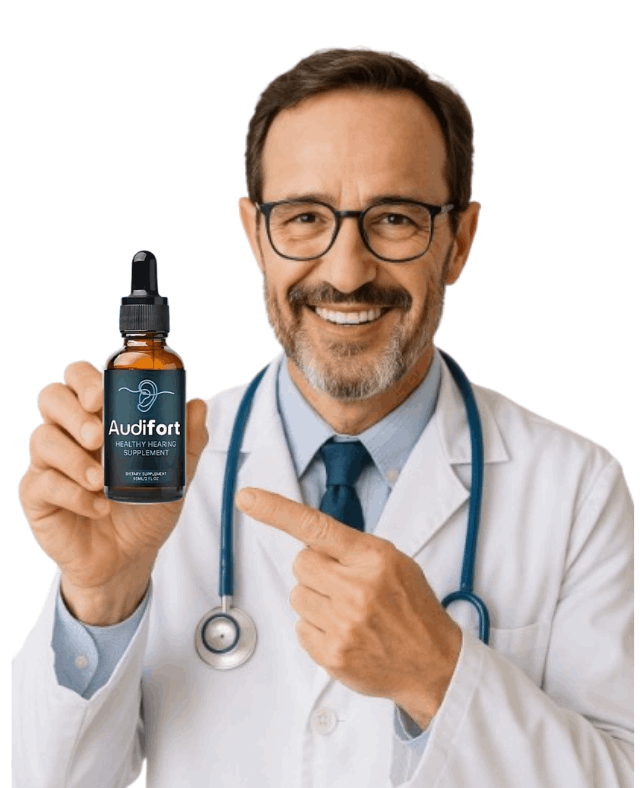
Exploring Audifort: A Supplement for Ear Health Support
When discussing natural supplements for ear health, Audifort often comes up in conversations. It’s marketed as a dietary supplement designed to support auditory function and may provide relief for tinnitus symptoms. But what’s in it?
Audifort is formulated with a blend of vitamins and natural ingredients known for their potential benefits for ear health. Ingredients like Vitamin B12 and zinc, which have shown promise in several studies, are included to potentially support auditory function.
Additionally, some of the herbal components in Audifort, such as Ginkgo Biloba, have been linked to improvements in tinnitus severity and overall hearing health. Research has indicated that these ingredients may help improve blood circulation and reduce oxidative stress in auditory cells.
If you live in New York, you might find it beneficial to explore supplements like Audifort alongside dietary changes, especially since city life can be busy and stressful. Incorporating a well-rounded approach may help bolster your ear health.
While Audifort might be a good addition to your wellness routine, always consult with a healthcare provider to ensure it fits within your individual health needs.
📖 return to the complete guide on hearing protection: The Complete Guide to Protecting Your Hearing Naturally in 2026 →
Key Takeaways
- Antioxidants play a crucial role in combating oxidative stress in the ears.
- Omega-3 fatty acids may help prevent age-related hearing loss.
- Magnesium is linked to enhanced auditory function and reduced tinnitus symptoms.
- Ginkgo Biloba's effects on tinnitus are supported by various clinical studies.
- Zinc supplementation could be beneficial for individuals experiencing hearing loss.
- Vitamin B12 may alleviate tinnitus symptoms in some populations.
- Herbal remedies should be approached with caution; efficacy varies by individual.
- Lifestyle choices significantly impact hearing health outcomes.
- Demographics show that age and health conditions can elevate tinnitus risk.
- Audifort is a supplement designed to support overall ear health.
References & Sources
- Antioxidant vitamins C and E: Effects on hearing and tinnitus — PubMed
- Omega-3 Fatty Acids and Hearing Loss: A Review — PubMed
- Magnesium and Auditory Health: A Meta-Analysis — PubMed
- Efficacy of Ginkgo Biloba in Tinnitus Management — PubMed
- Zinc Supplementation in Age-Related Hearing Loss: A Study — PubMed
- Vitamin B12 Deficiency and Tinnitus: Clinical Evidence — PubMed
- Herbal Supplements for Tinnitus: A Systematic Review — PubMed
- Lifestyle Impact on Hearing Health: Current Statistics — PubMed
Part of Our Complete Guide
The Complete Guide to Protecting Your Hearing Naturally in 2026Explore the full guide for everything you need to know →